Educational & Cultural Programs
Educational tours, workshops, camps, and experiences that may include museums, cultural institutions, historical landmarks, universities, farms, and community organizations in the United States and abroad.
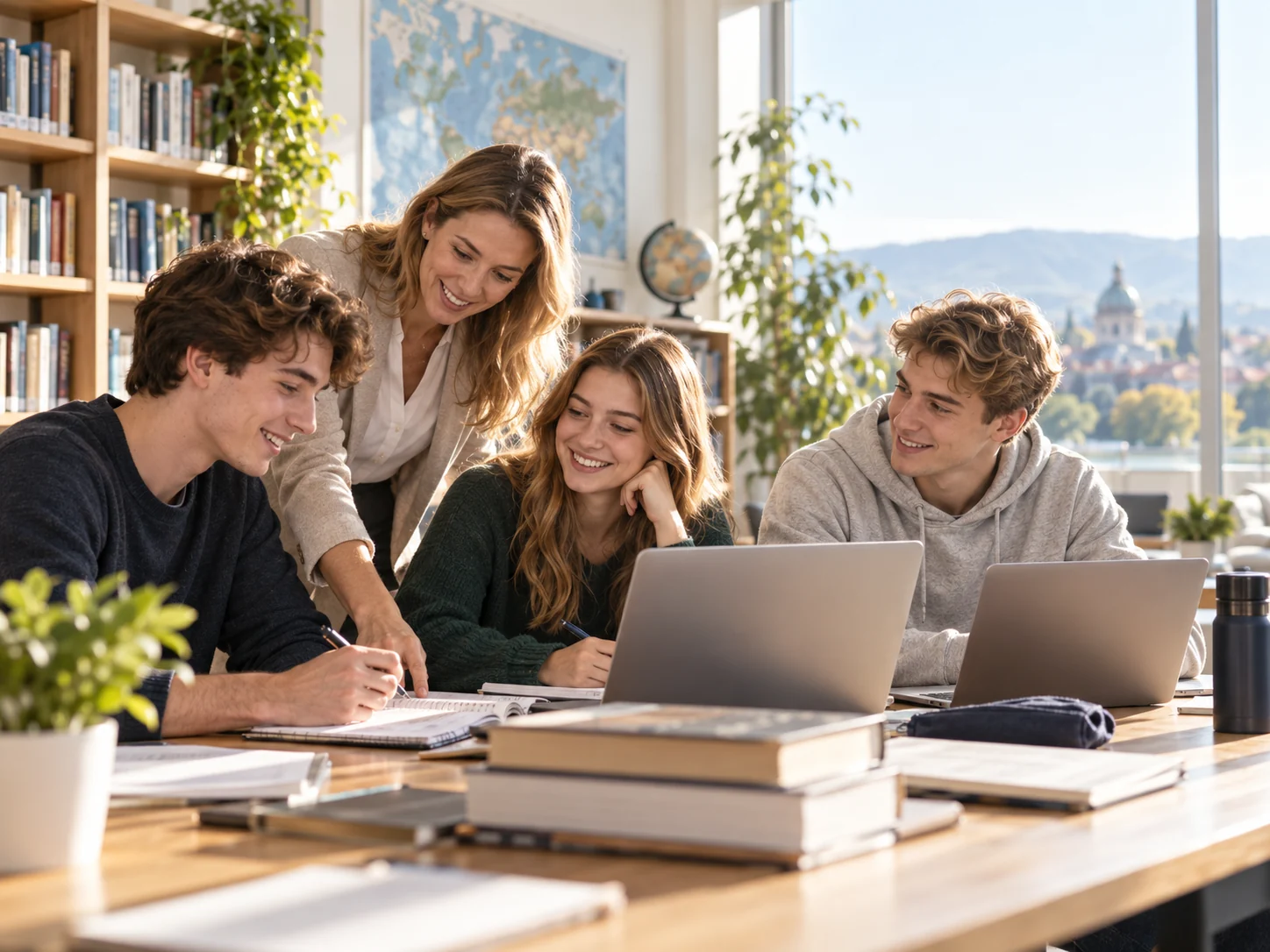
Flexible educational experiences designed around real learners, meaningful partnerships, curiosity, creativity, practical skills, and the world beyond the classroom.
Onix Edu may develop or support programs, camps, workshops, educational tours, enrichment activities, cultural exchange initiatives, and community-based learning. Specific programs depend on partnerships, community needs, available resources, age groups, and educational goals.

Educational tours, workshops, camps, and experiences that may include museums, cultural institutions, historical landmarks, universities, farms, and community organizations in the United States and abroad.

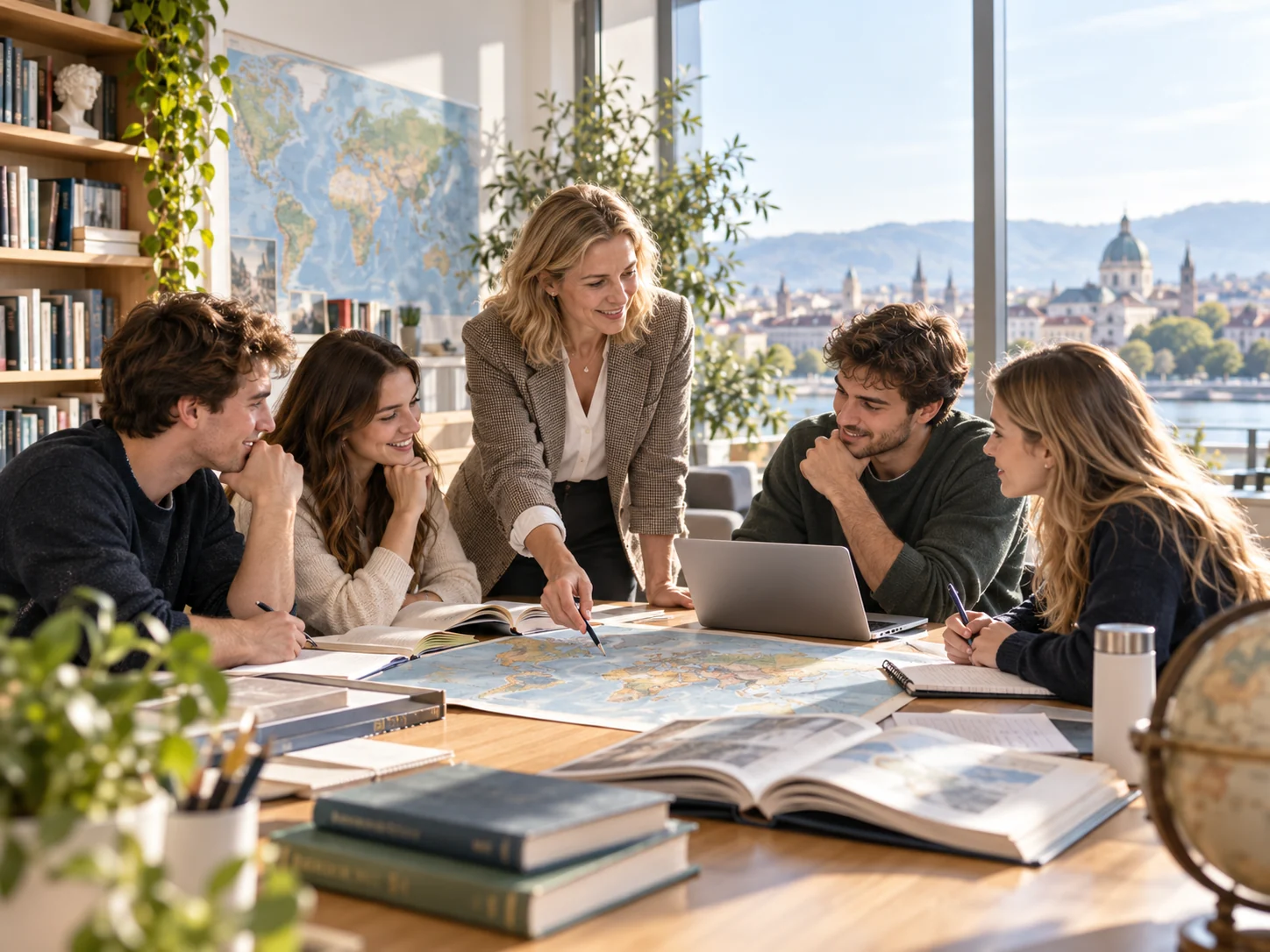
Programs that bring people from different backgrounds together, encourage communication, strengthen language skills, promote mutual respect, and help participants learn directly from one another.

School-break and summer programs, camps, tutoring, literacy, language practice, science and nature projects, field trips, leadership activities, team building, and academic enrichment.

Drawing, painting, sculpture, ceramics, photography, crafts, music, singing, theater, dance, design, storytelling, creative writing, culinary arts, and projects that connect creativity with other subjects.

Hands-on learning in gardening, growing food, planting and harvesting, greenhouse activities, composting, sustainability, environmental responsibility, and responsible animal care and safety.

Communication, teamwork, problem-solving, entrepreneurship, financial literacy, career exploration, community service, environmental awareness, healthy living, and other practical life skills.
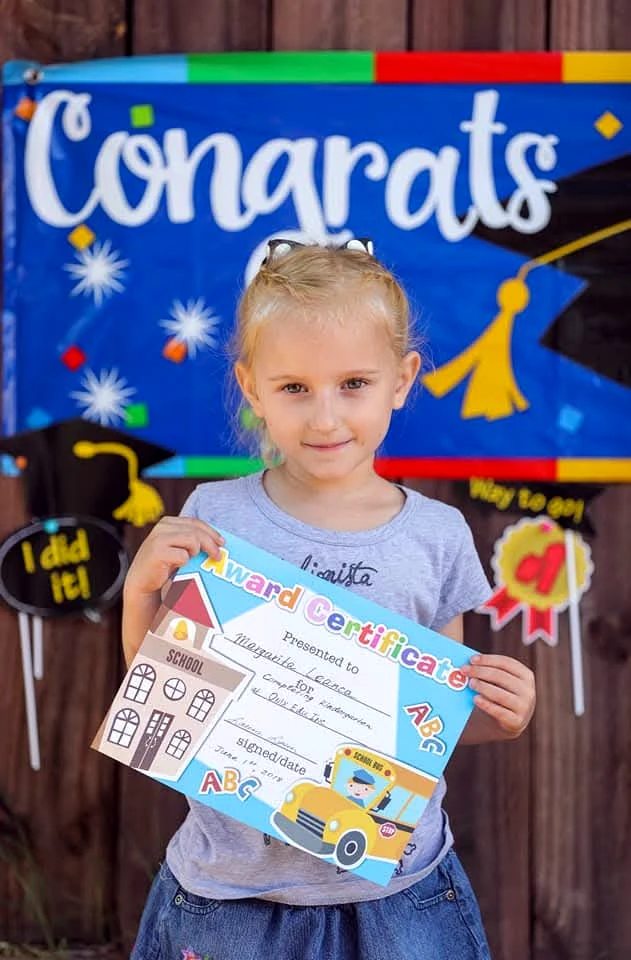
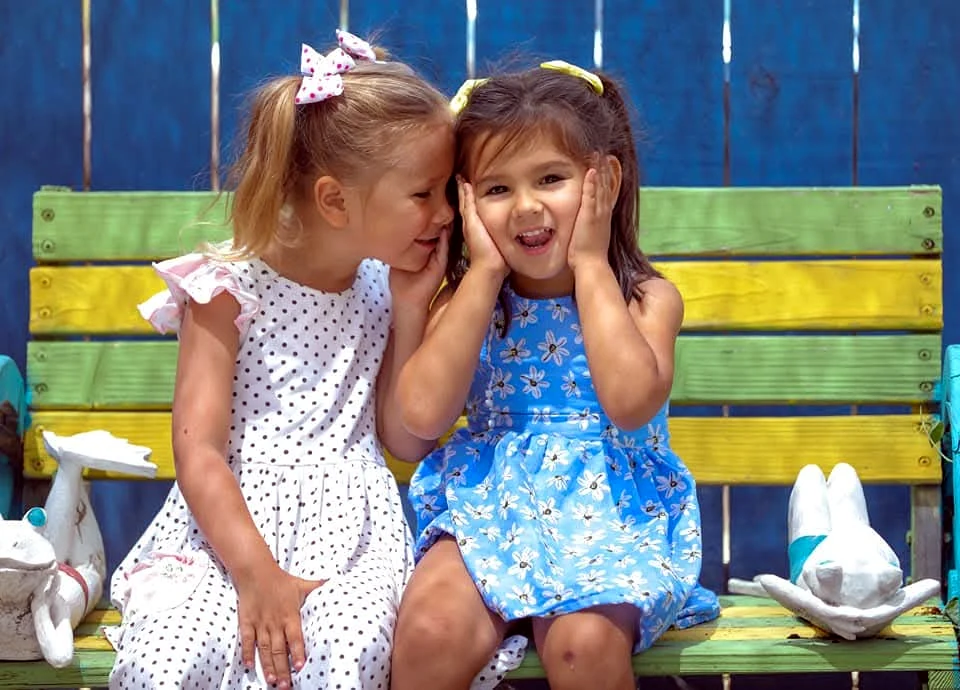
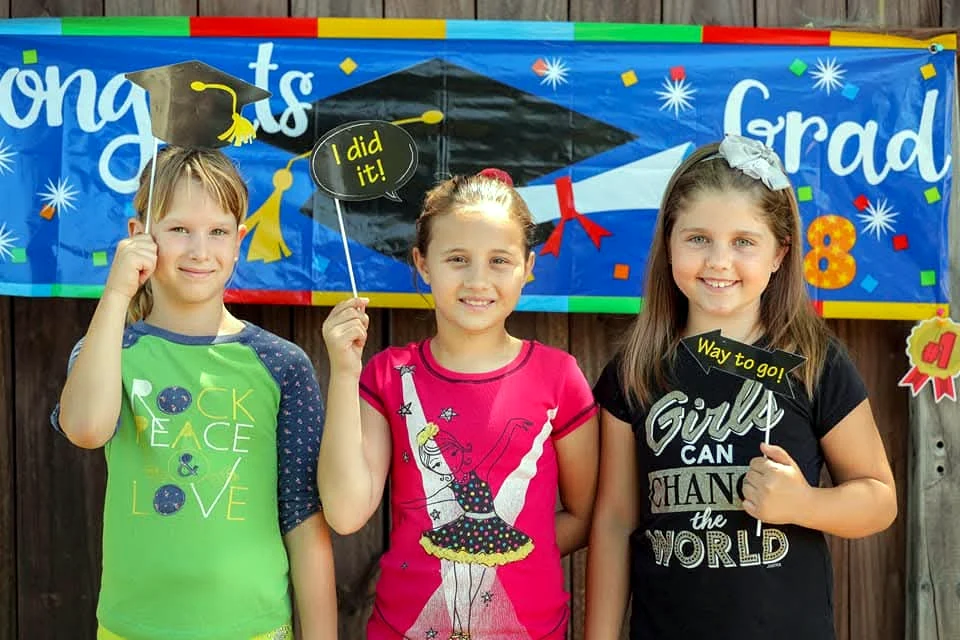
These photos add real context to the broader Onix Edu mission by showing the kinds of encouraging, celebratory, and community-centered educational moments that can help young learners grow.

Recognition can reinforce effort, joy, and a sense of progress for young children and families.

Hands-on educational experiences can help learners discover ability, independence, and curiosity.

Education is also about communication, trust, shared experience, and learning with others.

Group activities can help children feel included, build friendships, and experience learning as something joyful.
A single initiative may blend academics, culture, creativity, practical experience, technology, and community participation depending on the people it is designed to serve.
Language practice, cultural context, communication skills, and opportunities to use language in meaningful real-world settings.
Reading, literacy, academic support, science, history, project-based learning, and activities that strengthen classroom learning.
Online resources, remote collaboration, technology-supported education, and flexible formats that can reduce distance and improve access.
Research, evaluation, publications, resource development, and knowledge-sharing projects that help good educational ideas travel farther.
We believe some of the most memorable learning happens when people experience the subject directly and connect it with real life.

We start by understanding children, youth, families, educators, institutions, or communities and the opportunity they are trying to create.
Distance, language, cost, resources, limited expertise, lack of enrichment, or disconnected institutions may require different solutions.
Programs should fit available resources, participant ages, local context, partner capacity, safety needs, and the time required to do the work responsibly.
Clear goals help programs learn, improve, and communicate whether they are creating meaningful educational value.
We are interested in practical educational concepts that can benefit from collaboration, creativity, hands-on experience, research, or nonprofit support.